
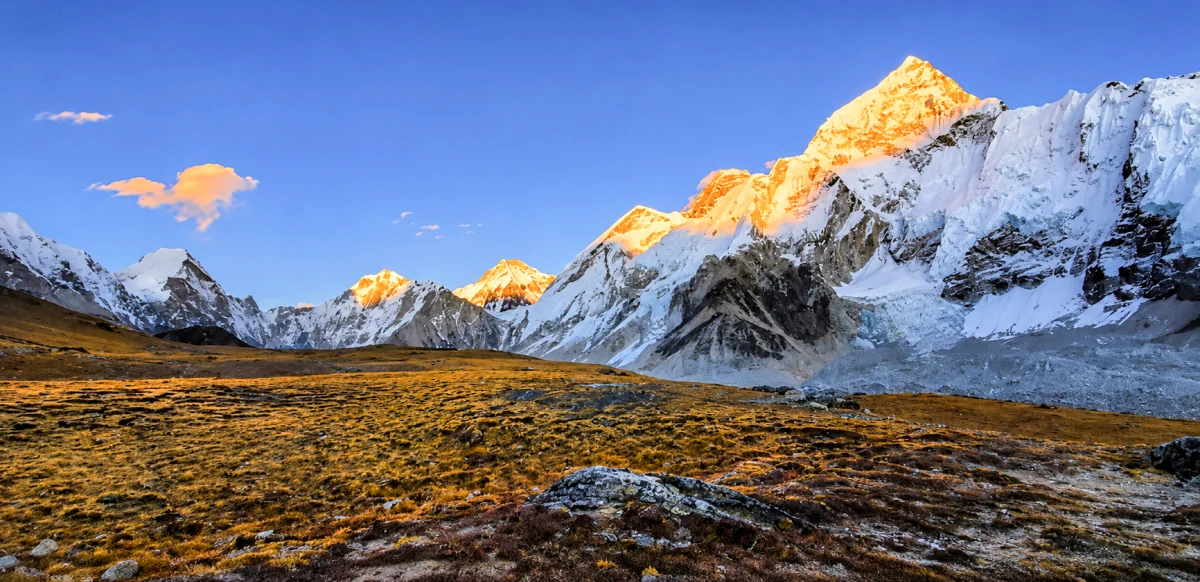
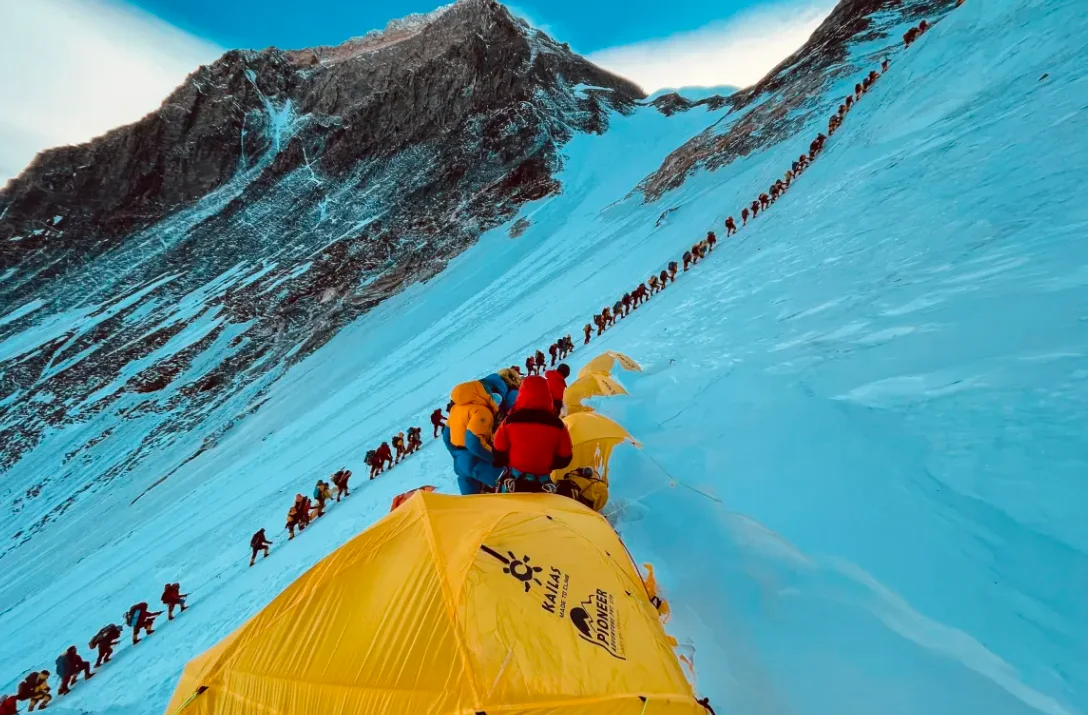
Nepal is the top ranking country for trekking destinations all over the world & it inspires thousands of trekkers to visit the country every year. Among all trekking routes inside Nepal, Everest Base Camp trek ranks as the best and most iconic trekking destination preferred by trekkers. Spring and autumn are considered the best seasons for Everest Base Camp Trek because of the crystal-clear view and pleasant climate. Unlike previous decades there has been a sudden rise in off-season treks. An increasing number of trekkers are now choosing the monsoon season as the top off-season trekking option.
It is difficult to trek in off season but Trekking to Everest Base Camp in monsoon offers unique experiences like lush green landscapes, fewer crowds on the trail, and a raw Himalayan atmosphere. The Everest Base Camp trek in monsoon is not a common choice among trekkers due to the rain and trail challenges. However, with proper preparation, the right gears, and an experienced guide, trekking in monsoon can be a rewarding and memorable journey. In this blog, we provide complete information for EBC trek in monsoon. The article covers trail conditions, difficulty levels, fitness requirements, packing guide and wildlife encounters.
Everest Base Camp Trek in Monsoon: Overview
|
Particular |
Trek information details |
|---|---|
|
Trek Area |
Solukhumbu District, Khumbu Region, Koshi Province, Nepal |
|
Trek Gateway Head |
Lukla (2860 m) |
|
Highest Trekking Elevation |
Everest Base Camp (5364 m) |
|
Optional side treks |
Kala Patthar (5545 m) |
|
Total distance from Capital |
Approx. 140 km from Kathmandu (by air, 35 minutes flight to Lukla) |
|
Monsoon Season |
June to August |
|
Trek Duration |
12 to 16 days (average) |
|
Difficulty Level |
Moderate to Challenging |
|
Accommodation |
Teahouses and lodges along the trail. |
|
Key Attractions |
Namche Bazaar, Tengboche Monastery, Khumbu Glacier, Everest Base Camp |
|
Wildlife Sightings |
Himalayan Tahr, Musk Deer, Snow Leopard, Red Panda, Danphe |
|
Permit Requirements |
Sagarmatha National Park Entry Permit and Khumbu Pasang Lhamu Rural Municipality Permit |
Trekking to Everest Base Camp in Monsoon
Everest Base Camp trek in monsoon is one of the best off-season trekking options in Nepal. It offers trekkers a completely new experience compared to spring and autumn treks. The monsoon season converts the whole Khumbu region into a lush green paradise with blooming wildflowers, awe-inspiring waterfalls, and misty mountain views which create a dramatic atmosphere on the trail.
Why Trek EBC in Monsoon?
There are many reasons why trekkers choose the Everest Base Camp monsoon trek as their favorite off-season trek. First, the trail is much quieter during the monsoon season. The low number of travelers on the trail means you get a more peaceful and indulging travel experience at otherwise crowded locations like Namche Bazaar, Tengboche Monastery, and Gorak Shep. Additionally, the Teahouses and lodges are also free and offer lower economic rates in this period.
Second, the monsoon season brings lush green scenery to the trail. The wild flowers and pine forests along the route become vibrant and rich with life. The waterfalls are at their most powerful, and the landscapes come alive and terrain becomes colorful compared to other seasons.
Third, trekking to EBC in monsoon is a budget-friendly option. You can find lodge stays for affordable prices, economic guided trek packages, and lower service costs compared to the peak trekking seasons in spring and autumn.
Trail Conditions and Challenges
The Everest Base Camp trek in monsoon comes with its own kinds of challenges along its trail. The trekkers must be highly aware of these challenges before planning their trip. The monsoon rain makes the lower trail sections muddy, slippery, and full of leeches. Additionally, River crossings can become difficult due to high water levels flowing due to rain. The visibility is also reduced because of cloud cover and rainfall, temporarily blocking the mountain views.
However, the best part is that above 4000 meters, the monsoon impact is much lower compared to the lower elevations. The Khumbu region is not inside a rain shadow zone but it receives very low rainfall in higher elevation areas. The upper sections of the trail around Dingboche, Lobuche, and Gorak Shep are relatively trekable than lower areas because of the low rain. It is one of the main reasons why the EBC monsoon trek is still possible.
Difficulty and Fitness Level
The Everest Base Camp trek is a moderately challenging trek even during the peak season. During monsoon, the difficulty level of the trek increases by a minimum degree due to slippery trails, leeches, and reduced visibility. You’ll need a good level of physical fitness to tackle the monsoon trail conditions comfortably. Regular cardio activities like hiking, running, and stair climbing are recommended before your EBC monsoon trek. Acclimatization is also another important part of the EBC trek preparation regardless of season. Stay in the lower elevation for a day or two to acclimatize and minimize the altitude gain.
Wildlife and Natural Environment
The Khumbu region and the Sagarmatha National Park are home to some of the rare and endangered wildlife species of the GHT. During the monsoon season, wildlife activity increases in the region as human activity is drastically reduced. It gives trekkers a better chance to spot animals and birds in their natural habitat. You can spot the Himalayan Tahr, Musk Deer, Red Panda, and occasionally Snow Leopard on the trail. National bird of Nepal, the Himalayan Monal (Danphe) is also seen on the trail during the season
Best Months to Trek EBC in Monsoon & Permits
June and the first half of July are the best months for an Everest Base Camp trek in monsoon. During this period, the rain is light and the trail conditions are still manageable. August is the peak of the monsoon season and brings the heaviest rainfall. The august period has the highest risk of trail disruptions. If you plan an off-season EBC trek, you need to target the early monsoon month to avoid challenges and best views. You require a Sagarmatha National Park Entry Permit and a Khumbu Pasang Lhamu Rural Municipality Permit (TIMS card is not required if you carry this permit) for the Everest Base Camp trek. These permits are required regardless of the season.
Packing Guide for EBC Monsoon Trek
Packing smartly is the most important step for a comfortable and safe Everest Base Camp monsoon trek. The list below
-
Waterproof and windproof jacket and pants to protect yourself from rain and wind.
-
Quick-dry trekking clothes including moisture-wicking base layers and insulating mid-level layers.
-
Waterproof trekking boots with good grip for slippery and muddy trails.
-
Gaiters and waterproof trekking gloves for rain and wet trail conditions.
-
Leech socks or leech repellent for creams/sprays for the lower forest sections of the trail
-
Sleeping bag rated for sub-zero temperatures for high-altitude nights.
-
Your Personal medications including altitude sickness tablets, first aid kit, and water purification tablets.
-
Waterproof bags to protect cameras and electronics from rain.
-
Trekking poles for steep incline section and slippery condition of trail.
Conclusion
The Everest Base Camp trek in monsoon is a unique and rewarding off-season trekking experience for adventure lovers. The trail offers lush green landscapes, fewer crowds, and a raw Himalayan atmosphere unavailable in other seasons. June and early July are the best monsoon months for this off-season EBC trek. With the right preparation, physical fitness, experienced guide, and proper gear, trekking to EBC in monsoon can be a safe and memorable journey. If you are looking for a guided and safe Everest Base Camp monsoon trek with expert guides who understand the route contact Mountain Delights.




.webp)